Essential Checks Before Your Hatta Mountain Trip
Planning a trip to the Hatta mountain region in Dubai is an exciting idea. The area offers a refreshing break from the city's pace, with its rugged landscapes, calm waters, and outdoor activities. But a good experience depends on good preparation. Before you set out, it helps to check a few practical things so your day goes smoothly and you make the most of your time there.
This article walks you through the key points to consider before you go. It covers everything from vehicle readiness to what to pack, so you arrive ready and relaxed. The goal is simple: help you avoid common hiccups so your trip is about the views and the fun, not the problems.
Vehicle Readiness and Route Planning
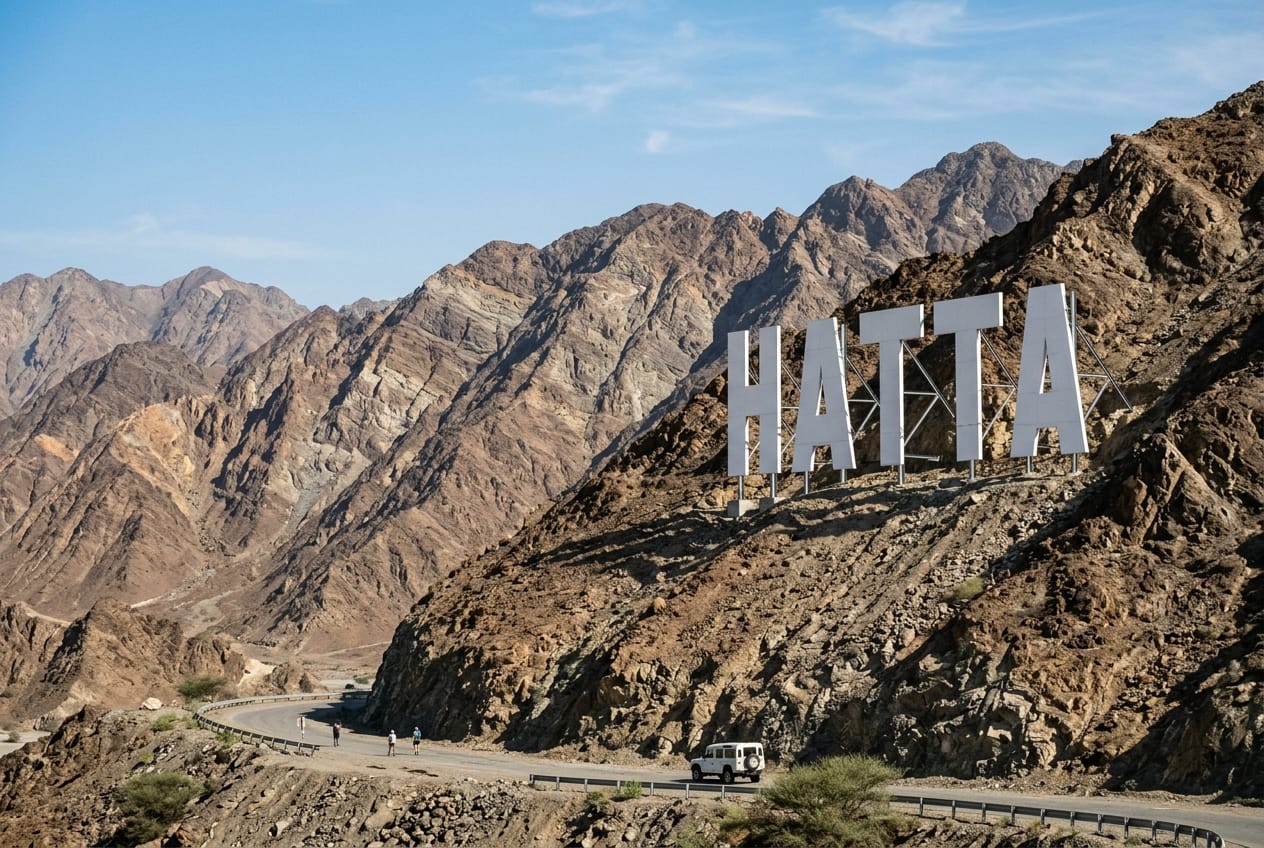
The drive to Hatta takes you through some winding mountain roads. A standard car can handle the main route, but it pays to check a few things before you leave. Make sure your car's cooling system is in good shape, as the climb can put extra load on the engine. Check your tyre pressure and spare tyre too. A quick look at your oil and coolant levels takes five minutes and can save you a long wait on the side of the road.
Navigation is another area to sort beforehand. Mobile reception can be patchy in parts of the mountain area. Download offline maps for your route and save the exact coordinates of your destination. If you plan to explore unpaved tracks, a four-wheel-drive vehicle is a safer choice. The main roads are sealed, but some scenic spots are only reachable on gravel.
Fuel stations become sparse once you leave the highway. Fill your tank before you enter the mountain area. The last proper station is on the way out of the city, and there is no guarantee of finding fuel inside the region itself. A full tank gives you peace of mind and lets you explore without watching the gauge.
Weather and Timing Considerations
Hatta's climate differs from the coast. It can be noticeably cooler, especially in the early morning and late afternoon. In winter months, temperatures can drop to single digits at night. Check the forecast for the exact day you plan to go. Pack layers even if you expect a warm day. A light jacket or fleece can make the difference between a comfortable evening and a chilly one.
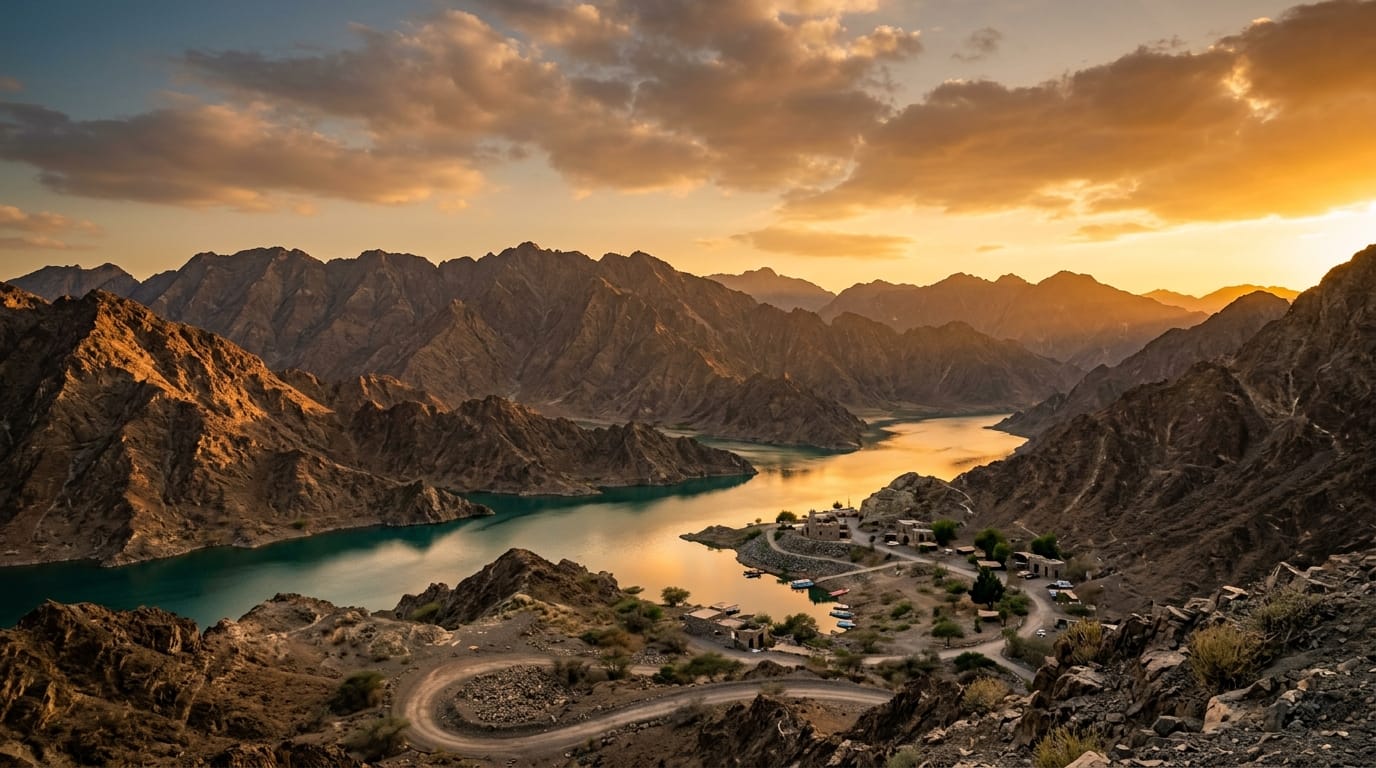
The best time to visit is between October and April. Summer heat makes outdoor activity uncomfortable, and the midday sun can be intense even with shade. If you do go in the hotter months, plan your activities for early morning or late afternoon. Carry plenty of water and avoid strenuous hikes during peak heat.
Sunrise and sunset times matter too. The mountains create dramatic light, but they also mean the sun disappears behind the ridges earlier than on the coast. If you plan to hike, start early enough to finish well before dark. A headlamp or torch in your bag is a sensible backup, even on a day trip.
What to Pack for the Day
A day in Hatta involves a mix of activities: walking, sitting by the water, possibly a short hike or a visit to the heritage village. Your packing list should cover comfort, safety, and convenience.
- Water and snacks: There are limited food outlets inside the area. Carry at least two litres of water per person and some non-perishable snacks. A refillable bottle is handy if you find a tap.
- Sun protection: Sunscreen, sunglasses, and a hat are essential. The reflection from the water and rocks can be strong.
- Comfortable footwear: The terrain is uneven in places. Sneakers or walking shoes are fine for most spots, but avoid flip-flops if you plan to walk any distance.
- First aid kit: A small kit with plasters, antiseptic wipes, and pain relief is enough for minor issues.
- Rubbish bags: Leave no trace. The natural beauty of the area depends on visitors taking their waste away.
Activities and Entry Points
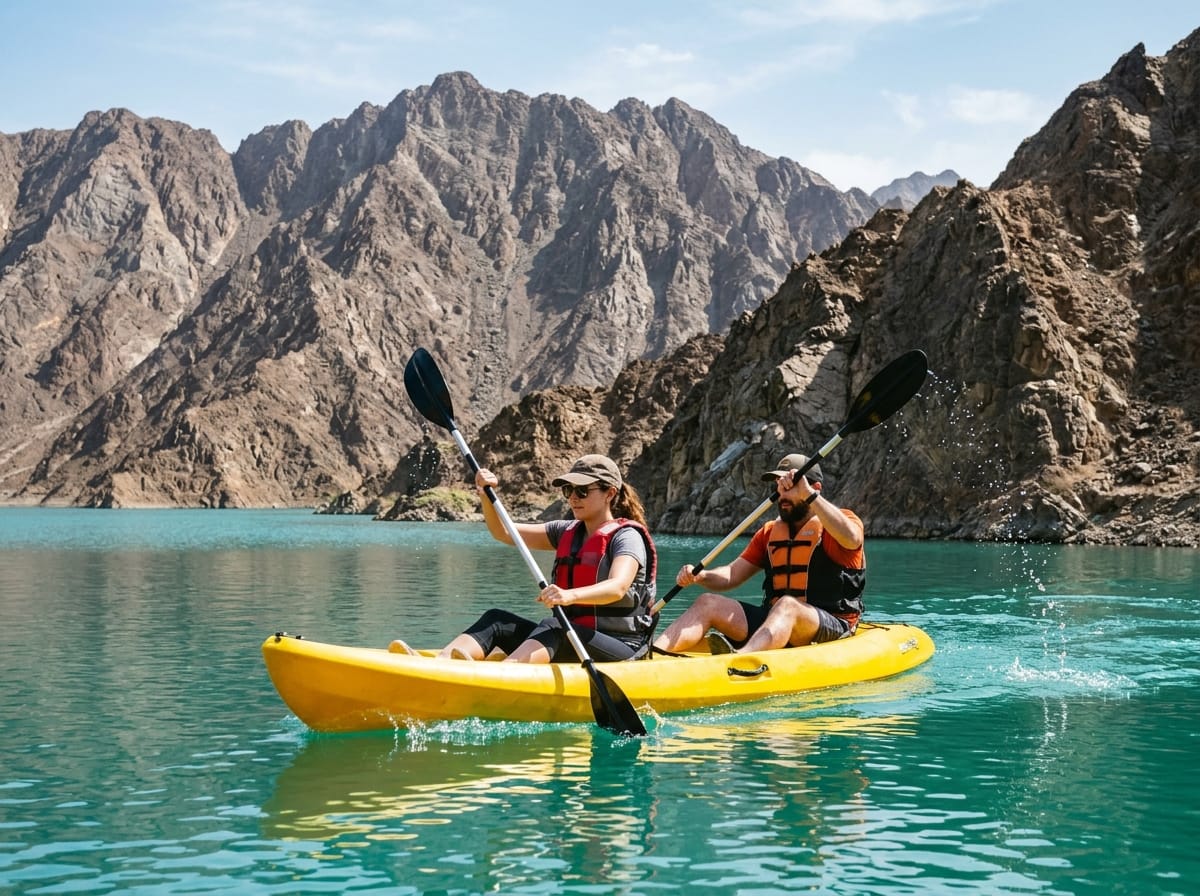
Hatta offers several attractions: the Hatta Dam for kayaking and paddleboarding, the Hatta Heritage Village for a glimpse of local history, and a network of hiking and cycling trails. Each has its own access rules and timings. The dam area can get busy on weekends, especially in the cooler months. If you want a quieter experience, aim for a weekday visit.
For water activities, check the operating hours and equipment availability. Some rental shops require an ID deposit. If you bring your own kayak or paddleboard, confirm that the launch point is open and whether any fees apply. The water is calm, but life jackets are mandatory. Do not skip that rule for convenience.
The hiking trails vary in length and difficulty. The more popular ones are marked, but trail conditions change with the weather. A recent rain can make paths slippery. Check with the visitor centre or the Hatta Mountain Tour Dubai official site for current trail status. That site lists the open trails, any closures, and the difficulty ratings. It is a reliable first stop for your planning.
Accommodation and Overnight Stays
If you plan to stay overnight, Hatta has a few options: a hotel, a caravan park, and a few guesthouses. Book well in advance, especially during holidays and long weekends. The caravan park offers pitches for tents and RVs, with basic facilities like showers and electricity. If you are camping independently, check local regulations. Open fires are usually not allowed, so bring a camping stove if you need to cook.
For those who prefer a roof and a bed, the hotel in Hatta provides comfortable rooms with views of the mountains. Booking directly through the property's own site or through a trusted platform is advisable. Avoid last-minute walk-ins, as availability is limited.
When booking any accommodation, confirm the check-in and check-out times, and ask about any quiet hours. Some places have rules about music and noise after a certain time. Being aware of these details before you arrive prevents misunderstandings.
Health and Safety Precautions
The mountain environment is different from what most Dubai residents are used to. The air is drier, and the altitude, though modest, can affect some people. Stay hydrated even if you do not feel thirsty. Drink water regularly rather than waiting until you are parched.
If you plan to hike, let someone know your route and expected return time. Mobile reception is weak in the deeper valleys, so a personal locator beacon or a satellite messenger is a wise investment if you go off the main trails. For most visitors sticking to popular paths, a fully charged phone and a power bank are sufficient.
Wildlife in the area includes insects and occasional snakes. Wear closed-toe shoes and avoid reaching into crevices or under rocks without looking first. A basic understanding of what to do in case of a snake bite is useful, though encounters are rare. The main rule is to stay calm and seek medical help.
Making the Most of Your Trip
The real value of a Hatta trip lies in slowing down. The landscape rewards those who take time to look around. Bring a camera or just use your phone, but remember to put it down and absorb the scene. The stillness of the water, the texture of the rock faces, the sounds of birds and wind, these are the things that make the trip memorable.
If you are visiting with family, plan a mix of active and relaxed time. A morning paddle on the dam followed by a picnic lunch works well. The heritage village is a good stop in the afternoon when the sun is softer. It is compact enough to explore in an hour, and the shaded areas offer a break from the heat.
For cyclists, the Hatta Mountain Bike Trail Centre is a draw. The trails are graded by difficulty, and you can rent bikes on site. Check the trail map beforehand and choose a route that matches your fitness and skill level. The centre has wash facilities and a small cafe, so you can freshen up after a ride.
The Hatta Mountain Tour Dubai official site is again a useful resource for checking timings and booking permits where needed. It centralises the information you need, saving you from hunting across multiple pages. A few minutes on that site before you leave can answer most of your practical questions.
Final Practical Reminders
Carry enough cash for entry fees, rentals, and snacks. Card payment is accepted in some places, but not everywhere. A small cooler with chilled drinks and fruit is a nice addition on a warm day. Remember to pack out all rubbish, including organic waste like fruit peels.
Check the local driving rules. Speed limits are lower on mountain roads, and some bends require careful negotiation. Drive at a pace that lets you enjoy the scenery rather than rush through it. The road itself is part of the experience.
With these points checked, your trip to the Hatta mountain area becomes straightforward. You can focus on the views, the activities, and the company you are with. The preparation takes little time but adds a lot of comfort and safety to your day out.